
Reducing Stigma of Mental Illness: Why Understanding Matters
Mental illness touches almost every family in Australia, yet talking about it openly still feels difficult for many people. Reducing stigma of mental illness is one of the most important things we can do as individuals and as a community, because stigma does not just hurt feelings. It stops people from seeking help, delays recovery and quietly shapes how we treat the people around us. At Mindkshetra, a creative wellness studio in Wentworthville offering counselling and art therapy across Sydney and the western suburbs, we see the impact of stigma every day on the people who walk through our door after years of staying silent.
This article looks at what stigma of mental health is, why it persists, and practical; evidence informed ways individuals, workplaces and communities can respond. We also answer some of the most common questions people ask about overcoming stigma, self-stigma, and why this work matters so much.
What Is the Societal Stigma of Mental Illness?
Societal stigma of mental illness refers to the negative attitudes, stereotypes and discrimination that the broader public holds toward people living with mental health conditions. Researchers describe stigma as having three connected parts: stereotypes, prejudice and discrimination (Corrigan and Watson, 2002). Someone with lived experience of mental illness might be assumed to be unpredictable or incapable, viewed with suspicion, and then excluded from jobs, friendships or community life because of those assumptions.
This kind of public stigma is reinforced through everyday language, media portrayal, and a lack of accurate information. When mental health conditions are used as punchlines or shorthand for danger, it teaches people to fear or avoid those living with a condition, rather than to understand them.
Why Is Reducing Stigma About Mental Health Important?
Reducing stigma is important because stigma is one of the biggest barriers between people and the support they need. In Australia, almost three quarters of people living with a mental illness report experiencing some form of stigma or discrimination (Foremind, 2026), and men in particular are far less likely to seek professional help early, with some surveys finding that around two in five young men would only reach out after reaching a crisis point (Foremind, 2026).
Left unaddressed, stigma contributes to isolation, worsening symptoms and poorer physical health outcomes, because people avoid checkups, delay treatment, and hide what they are experiencing from the people who could support them. Reducing stigma is not simply a matter of politeness. It is a public health issue with real consequences for individuals, families, and the wider community.
How Can We Reduce the Stigma of Mental Health?
There is no single fix, but decades of research point to a few approaches that consistently work.
Contact with lived experience
A large meta-analysis of 72 outcome studies found that direct contact with people who have lived experience of mental illness was more effective at shifting public attitudes than education alone (Corrigan et al., 2012). Hearing someone describe their own recovery, in their own words, does more to challenge stereotypes than statistics ever can.
Accurate education
Learning the facts about mental illness, including how common it is and how treatable most conditions are, helps replace myths with understanding. Education works best when it is specific, local and ongoing rather than a single one off session.
Careful, person-first language
The words we use matter. Describing someone as a person living with anxiety, rather than as anxious or unwell, keeps the focus on the person rather than the condition (Mental Health First Aid, 2022). Media coverage plays a role here too. When mental illness is reported on accurately and without sensationalism, audiences form more realistic, compassionate impressions of what living with a condition actually involves (Jed Foundation, 2022).
Speaking up
Gently challenging stigmatising comments, whether at home, at work or online, signals that these attitudes are not acceptable. This kind of everyday advocacy, sometimes called protest, works alongside education and contact to shift community norms over time.
The Role of Art Therapy in Reducing Stigma
At Mindkshetra, art therapy and expressive wellness practices are central to our approach, and there is a growing evidence base for why. A systematic review of arts-based interventions found that programs using visual art, drama, music or a combination of art forms were effective in improving public attitudes and behaviour toward people with mental health problems, particularly among younger people (Gaiha et al., 2021). Community focused arts programs give people a language for experiences that are hard to put into words, and they invite participation from people who might never attend a traditional talk-based awareness session.
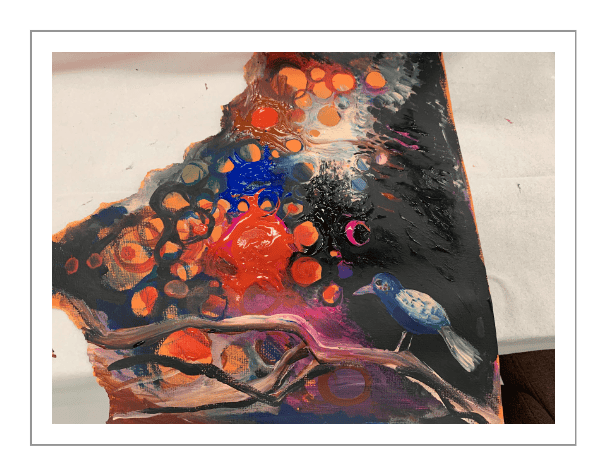
Art making also offers something more personal. For many clients, working with colour, texture and image provide a way to process emotion and communicate experience without needing to find the right words straight away. This can be especially valuable for people who feel that stigma has made it hard to talk about what they are going through, offering a gentler, non-judgmental entry point into support and reflection.
How to Address Self-Stigma
Self-stigma occurs when a person internalizes the negative stereotypes society holds about mental illness and applies them to themselves, leading to shame, reduced self-esteem and a reluctance to seek support (Corrigan, Watson and Barr, 2006). Addressing self-stigma often involves several overlapping steps.
- Naming the internal narrative: noticing when thoughts like I am broken or I should be able to handle this on my own reflect stigma rather than fact.
- Connecting with community: sharing experiences with others who understand whether through counselling, peer support or group-based programs, reduces the sense of isolation self-stigma creates.
- Separating identity from diagnosis: using person-first language with yourself, recognising that a mental health condition is something you are experiencing, not something that defines you.
- Seeking professional support: a counsellor or therapist can help unpack where self-stigmatising beliefs come from and build healthier, more compassionate self-talk over time.
Self-stigma can be just as limiting as public stigma, and it often takes deliberate, ongoing effort to unlearn. Working with a counsellor gives people the space to do that at their own pace, with support rather than judgement.
How Can We Eliminate the Stigma Surrounding Mental Illness?
Eliminating stigma at a societal level requires action at multiple levels working together, not a single campaign or conversation.
- Workplaces can build psychologically safe cultures, train managers to respond supportively, and make mental health resources visible and easy to access.
- Schools can introduce mental health literacy early, using age-appropriate content and creative activities that help young people build empathy rather than fear.
- Media and content creators can commit to accurate, respectful representation of mental illness rather than relying on outdated or sensational tropes.
- Communities can create low pressure spaces for connection, such as art groups, peer support circles and drop-in services, where people can engage before they are ready for formal treatment.
- Individuals can model person-first language, challenge stigma when they see it, and share their own experiences when it feels safe to do so.
Change of this kind tends to be gradual. It happens in conversation by conversation, workplace by workplace, and it is sustained by consistent, credible voices rather than one off awareness days.
How to Reduce Stigma in Mental Illness Within Your Own Circle
You do not need to run a campaign to make a difference. Simple, consistent actions within a family, friendship group, or workplace add up. Listening without trying to fix things, checking in with people who have gone quiet, and being honest about your own mental health when appropriate all help normalise the conversation. Over time, these small acts of openness make it easier for the people around you to ask for help when they need it.
Finding Support in Sydney and the Western Suburbs
Reducing stigma of mental illness also means making sure support is genuinely accessible once someone is ready to reach out. Based in Wentworthville, Mindkshetra offers counselling and art therapy for individuals across Sydney and the western suburbs, in a setting designed to feel welcoming rather than clinical. Whether you are navigating anxiety, low mood, grief, workplace stress or the lasting effects of self-stigma, our team provides a space where your experience is met with care, not judgement.
We also work with community groups, schools, and workplaces that want to build mental health literacy and reduce stigma within their own networks, drawing on both traditional counselling approaches and expressive, art-based methods.
Take the Next Step with Mindkshetra
Reducing stigma of mental illness is a shared responsibility, but taking the first step toward support is a personal one. If you are ready to talk to someone, or if your workplace or community group would like to explore an art therapy or wellness program, the team at Mindkshetra is here to help. Contact Mindkshetra today to book a session or find out more about our counselling and art therapy services in Wentworthville and across Sydney’s western suburbs.
Frequently Asked Questions
How can I overcome the stigma associated with mental illness?
Overcoming stigma often starts with information and connection. Learning accurate facts about mental illness, talking to a trusted person or counsellor, and connecting with others who share similar experiences can all help loosen the grip of stigma, both the version that comes from other people and the version we carry internally.
How can we eliminate the stigma surrounding mental illness?
Full elimination of stigma requires sustained effort across education, contact based programs, respectful media representation and supportive policy, working together over years rather than a single initiative. Every workplace, school and community that commits to these practices moves the needle further.
How can we reduce stigma around mental illness?
The most consistently effective methods are direct contact with people who have lived experience, accurate education, careful person-first language, and individuals speaking up when they encounter stigmatising attitudes or comments.
How can we reduce the societal stigma of mental illness?
At a societal level, this means combining public education campaigns with structural changes, such as workplace mental health policies, accurate media guidelines, and accessible community services that make seeking help easier and less isolating.
How can we reduce the stigma of mental health?
Reducing the stigma of mental health relies on normalising everyday conversations about wellbeing, alongside professional support that treats mental health with the same seriousness and compassion as physical health.
How to address self-stigma?
Self-stigma can be addressed by noticing and questioning internalised negative beliefs, connecting with supportive community or peer networks, and working with a counsellor to build a more compassionate relationship with yourself.
How to reduce stigma in mental illness?
Reducing stigma in mental illness works best as a combined effort: education to correct myths, contact with lived experience to build empathy, and language that keeps the person, not the diagnosis, at the centre of the conversation.
Why is reducing stigma about mental health important?
Because stigma is one of the main reasons people delay or avoid seeking help. Reducing it protects mental and physical health outcomes, strengthens relationships and communities, and makes it easier for everyone to access the support they need when they need it.
References
Corrigan, P.W. and Watson, A.C. (2002) The paradox of self-stigma and mental illness. Clinical Psychology: Science and Practice, 9(1), pp. 35-53.
Corrigan, P.W., Morris, S.B., Michaels, P.J., Rafacz, J.D. and Rüsch, N. (2012) Challenging the public stigma of mental illness: A meta-analysis of outcome studies. Psychiatric Services, 63(10), pp. 963-973.
Corrigan, P.W., Watson, A.C. and Barr, L. (2006) The self-stigma of mental illness: Implications for self-esteem and self-efficacy. Journal of Social and Clinical Psychology, 25(8), pp. 875-884.
Foremind (2026) Mental Health Stigma Statistics Australia and Overseas 2026. Available at: https://www.foremind.com.au/post/mental-health-stigma-statistics (Accessed: 13 July 2026).
Gaiha, S.M., Salisbury, T.T., Usmani, S., Koschorke, M., Raman, U. and Petticrew, M. (2021) Effectiveness of arts interventions to reduce mental-health-related stigma among youth: A systematic review and meta-analysis. BMC Psychiatry, 21, article 364.
Jed Foundation (2022) Words Matter: How the Media’s Language Impacts Mental Health. Available at: https://jedfoundation.org/words-matter-how-the-medias-language-impacts-mental-health/ (Accessed: 13 July 2026).
Mental Health First Aid (2022) Use Person-First Language to Reduce Stigma. Available at: https://www.mentalhealthfirstaid.org/2022/04/use-person-first-language-to-reduce-stigma/ (Accessed: 13 July 2026).
All rights reserved by Mindkshetra.

Written by:
Rupa Parthasarathy is a cultural artist, art psychotherapist, counsellor, clinical supervisor and founder of Mindkshetra, a Western Sydney–based creative wellbeing studio and social enterprise. A first-generation Indian Australian and native Tamil speaker, she works at the intersection of culture, art and mental health, helping young people and communities integrate creative practices into everyday wellbeing. In 2025, she received the South Asian Women in Business Award for her work through Mindkshetra.
More Articles: